Luxury Wellness Retreat vs Spa Hotel: Are You Paying for Results or Relaxation?
Both promise escape. Both can cost thousands. But a serious wellness retreat and a beautiful spa hotel are selling two very different experiences.
Luxury travel is changing. For a growing number of travellers, the ultimate indulgence is no longer simply a better suite, a bigger pool or a longer wine list. It is returning home feeling better than when they arrived.
It is part of a wider change in the meaning of luxury travel, where privacy, time, personalisation and meaningful experiences can matter more than traditional displays of extravagance.
That shift has helped create a new generation of luxury wellness retreats offering everything from sleep optimisation and personalised nutrition to fitness, recovery, diagnostics, mindfulness and longevity-focused programmes.
At the same time, the world's best spa hotels have become more sophisticated too.
So when both can offer beautiful surroundings, exceptional food, treatments and five-star service, what are you really paying for?
Wellness Retreat vs Spa Hotel
| Factor | Luxury Wellness Retreat | Luxury Spa Hotel |
|---|---|---|
| Main purpose | Improvement, reset or transformation | Relaxation and luxury |
| Structure | Often programme-led | Mostly self-directed |
| Assessments | May include consultations or diagnostics | Usually limited |
| Treatments | Often linked to programme goals | Selected primarily for relaxation or enjoyment |
| Food | May follow a defined nutritional philosophy | Greater freedom and indulgence |
| Daily schedule | Can be highly structured | Usually flexible |
| Best for | People seeking a purposeful reset | People wanting luxury with optional wellness |
Wellness Has Moved Beyond the Spa.
There was a time when wellness at a luxury hotel meant a massage, sauna, swimming pool and perhaps a morning yoga class.
Those things still matter. But the upper end of wellness travel has moved considerably further.
Today's more ambitious retreats may build an entire stay around sleep, stress, fitness, metabolic health, nutrition, recovery or longevity.
Sleep
Programmes may examine sleep routines, recovery and bedroom environment. At home, the same interest has helped drive technologies such as smart beds and bed cooling systems.
Movement
Training can range from yoga and hiking to strength, mobility and individually guided fitness sessions.
Nutrition
Food can become part of the programme rather than simply another element of the hospitality experience.
Recovery
Massage, hydrotherapy, heat and cold can be integrated into a wider plan, including experiences such as sauna and cold-water immersion.
What Are You Paying for at a Luxury Wellness Retreat?
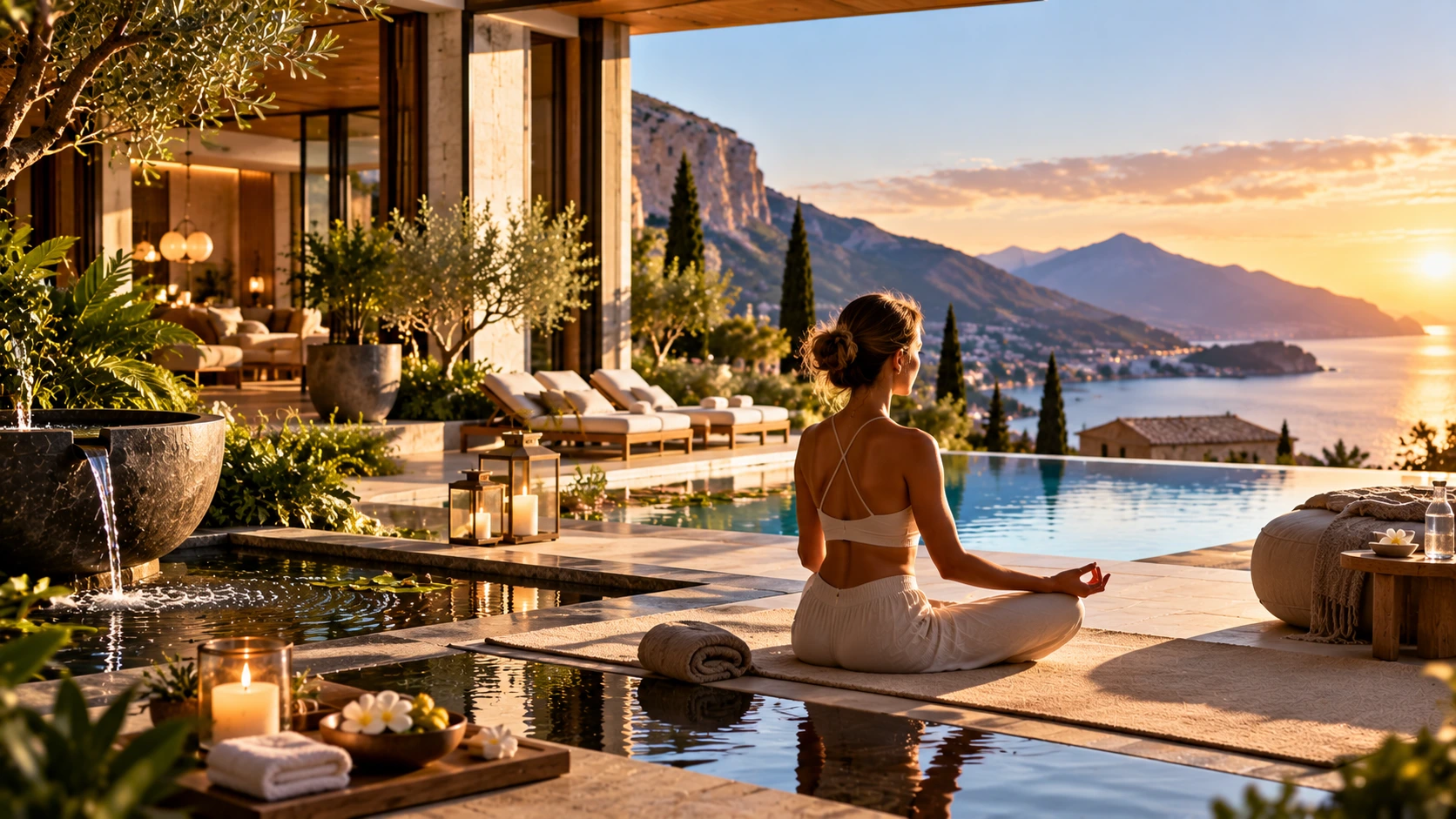
A genuine wellness retreat usually begins with purpose.
You might arrive wanting to reduce stress, improve sleep, regain fitness, change eating habits, recover from an exhausting period of work or simply create enough distance from normal life to reset.
The better programmes then organise the experience around that objective.
That may include consultations, personalised activities, treatments, nutrition, recovery sessions and a structured daily timetable.
The key difference is intention.
A spa treatment is something you book during a holiday. At a serious wellness retreat, the reason you travelled may be the programme itself.
This distinction matters because it changes how value should be judged.
A retreat charging considerably more than a conventional hotel is difficult to justify purely by comparing room size or the number of swimming pools.
The question becomes whether the expertise, structure, environment and time away produce an experience you could not realistically reproduce at home.
Why the Traditional Luxury Spa Hotel Still Wins for Many Travellers.
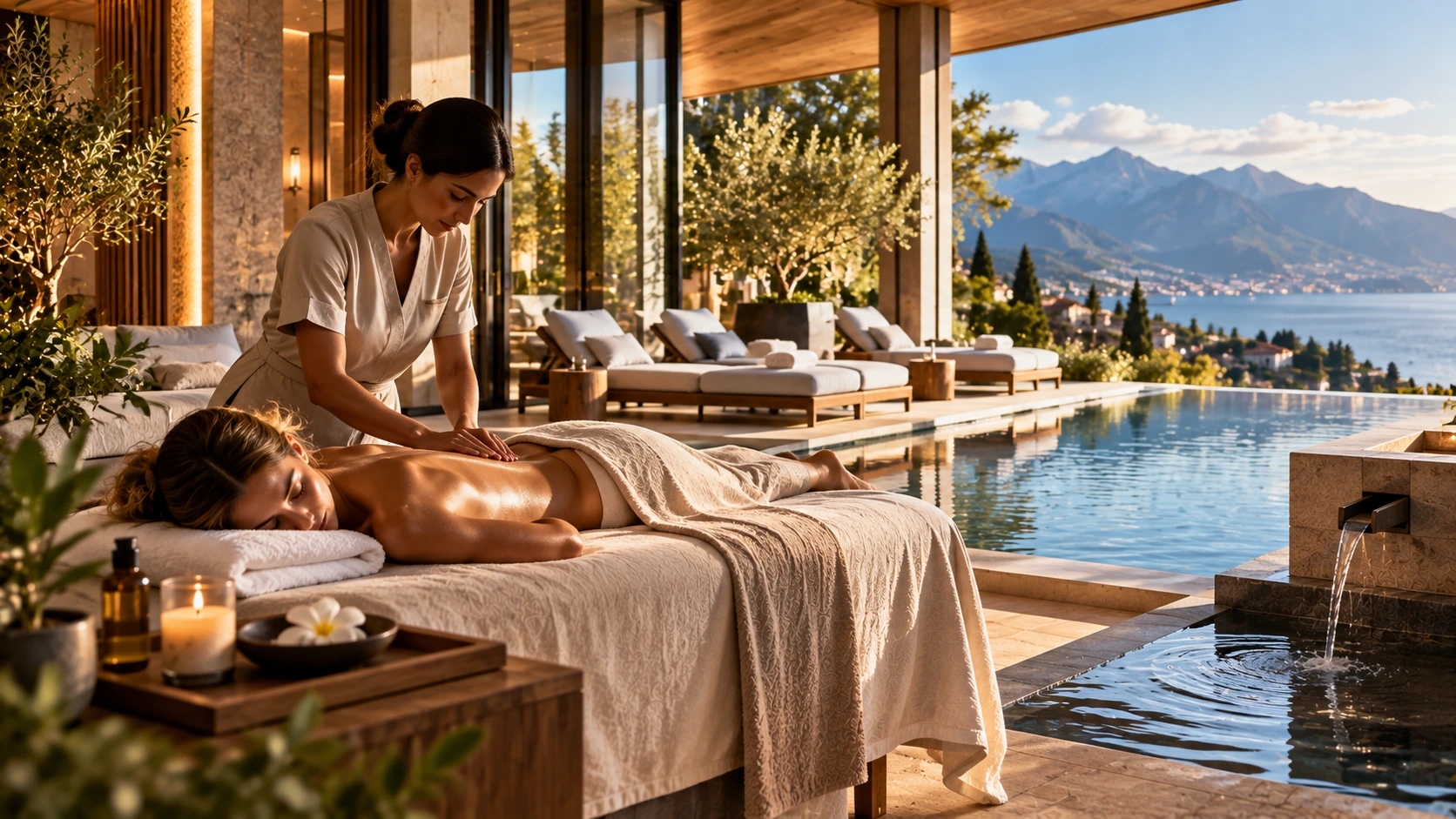
There is also a danger of turning every holiday into another optimisation project.
Sometimes you do not need a programme.
You need breakfast at 10:30, a long massage, an afternoon beside the pool and dinner without analysing the nutritional composition of every course.
That is where a great spa hotel remains difficult to beat.
It gives you access to wellness without making wellness the purpose of every hour.
For couples, this flexibility can be particularly valuable when only one person is deeply interested in wellness.
What Does “Results” Really Mean?
Wellness marketing frequently uses the language of transformation, optimisation and longevity.
That language needs perspective.
A week away can create space to sleep more, move more, eat differently and reduce some of the pressures of everyday life. It can also expose you to specialists, ideas and routines that influence what you do afterwards.
But a luxury retreat should not be confused with guaranteed medical outcomes.
Health claims deserve the same scrutiny whether they appear in a clinical-looking retreat or an expensive piece of wellness technology. That applies just as much to consumer categories such as red light therapy, where promising science can sit alongside much broader marketing claims.
Worth knowing
A premium price, advanced equipment and impressive surroundings do not automatically prove that a treatment improves health or longevity. Look separately at hospitality quality, professional expertise and the evidence behind specific claims.
Structure Can Be a Luxury Too.
One of the most underestimated benefits of a retreat is that somebody else has already made many of the decisions.
You wake up. Your day has shape. Meals are prepared. Sessions are booked. The environment is designed around the purpose of the stay.
For someone whose normal life is dominated by decisions, meetings, travel and notifications, that removal of friction can itself feel luxurious.
But structure only works if you want it.
If your ideal holiday involves deciding at midday whether to leave the pool, a tightly programmed retreat can start feeling less like freedom and more like an expensive timetable.
The Best Retreats Create Space You Don't Have at Home.
There is another reason destination wellness can work differently from simply joining a better gym or booking a local massage.
Distance changes behaviour.
Removing yourself from the usual environment can make it easier to interrupt routines and experiment with different ones.
That does not require mystical thinking. If the normal triggers, schedule and distractions are absent, you have created a different behavioural environment.
That raises an interesting alternative. Instead of repeatedly travelling for wellness, some people are now investing in luxury home wellness — bringing saunas, cold plunges, recovery spaces, smart sleep technology and private training environments into everyday life.
The two ideas are not necessarily competitors. A good retreat can introduce a routine; a well-designed home can make that routine easier to continue.
Where Wellness Travel Is Heading Next.
The most interesting end of this market is moving beyond conventional spa treatments into more personalised longevity and performance experiences.
Some premium destinations now combine hospitality with deeper assessments, sleep programmes, movement coaching, nutrition, recovery technology and access to specialist practitioners.
This is creating an entirely new luxury category somewhere between resort, retreat and longevity clinic.
For travellers who already spend money on wearables, recovery technology, premium fitness and preventative wellness, taking those interests into travel is a natural progression.
What Should You Look For?
- Your objective: are you looking for relaxation, fitness, sleep, stress reduction, nutrition, recovery or something more specialised?
- Programme depth: is the retreat genuinely personalised or simply a package of standard treatments?
- Professional expertise: who is delivering the programme and what are their qualifications?
- Evidence: are major health claims supported by credible evidence?
- Daily structure: how much of your day is programmed?
- Food: are meals restrictive, personalised or simply wellness-inspired?
- Technology: are diagnostics and devices genuinely useful or mostly part of the theatre?
- What's included: establish whether treatments, consultations and activities are included in the headline price.
- Solo or couple: make sure the experience suits everyone travelling.
- Aftercare: the strongest programmes may help translate the experience into habits you can continue at home.
Choose a Luxury Wellness Retreat If...
- You want the trip to have a clear wellness purpose.
- You enjoy structure and expert guidance.
- You want to change or examine existing habits.
- You are interested in sleep, recovery, nutrition, fitness or longevity.
- You value personalisation more than unlimited freedom.
- You are willing to pay more for specialist expertise and a programme-led experience.
Choose a Luxury Spa Hotel If...
- Your main goal is to relax rather than transform.
- You want wellness available without committing your holiday to it.
- You value restaurants, bars, excursions and traditional resort experiences.
- You dislike rigid schedules.
- You are travelling with someone who has different interests.
- You want indulgence and wellbeing to coexist without rules.
When Is a Wellness Retreat Worth Paying More For?
At the top end of the market, neither option is cheap.
That makes the definition of value important.
A beautiful spa hotel can provide extraordinary service, architecture, food and relaxation. But much of what you are buying remains recognisably hospitality.
A wellness retreat has to justify its premium differently.
If the higher price gives you credible expertise, meaningful personalisation, specialist facilities and a programme that changes the way you think or behave after returning home, the extra cost can make sense.
If it is essentially a luxury hotel with wellness language wrapped around ordinary spa services, it becomes much harder to justify.
Luxury Wellness Retreat FAQs
What is the difference between a wellness retreat and a spa hotel?
A wellness retreat generally makes wellbeing the central purpose of the stay and may use structured programmes, consultations, activities, nutrition and treatments. A spa hotel is primarily a hotel experience with wellness facilities and treatments available as part of the wider stay.
Are luxury wellness retreats worth the money?
They can be when the programme offers credible expertise, useful personalisation and an experience that addresses a genuine goal. Value depends heavily on what is included and whether the programme offers more than conventional luxury spa services.
What happens at a luxury wellness retreat?
Experiences vary widely but may include consultations, fitness or movement sessions, spa treatments, mindfulness, nutritional programmes, sleep support and recovery activities. More specialised retreats may offer additional assessments and practitioner-led services.
Can you go to a wellness retreat just to relax?
Yes, although a luxury spa hotel may provide greater flexibility if relaxation is your only objective. Retreats tend to offer the most value when you want to engage with the programme.
Are wellness retreats good for couples?
They can be, particularly when both travellers share similar goals. If one person wants an intensive wellness programme while the other wants a conventional holiday, a luxury spa resort may offer a better compromise.
What is a longevity retreat?
Longevity retreats generally focus on aspects of long-term health and performance such as sleep, movement, nutrition, recovery and preventative wellness. The depth and scientific credibility of individual programmes can vary considerably.
Results or Relaxation?
A luxury spa hotel is an escape.
A great wellness retreat should be something more deliberate.
If you want freedom, exceptional surroundings, indulgence and the option to add wellness when it suits you, the spa hotel remains difficult to beat.
If you are travelling because you genuinely want to reset something — sleep, fitness, stress, recovery, nutrition or simply your relationship with your own routine — a carefully chosen retreat can justify the premium.
The important word is carefully.
The future of luxury wellness travel will not be defined by who has the longest treatment menu or the most expensive machine.
It will be defined by places that combine exceptional hospitality with credible expertise and give guests something increasingly valuable:
the opportunity to return home better than they arrived.